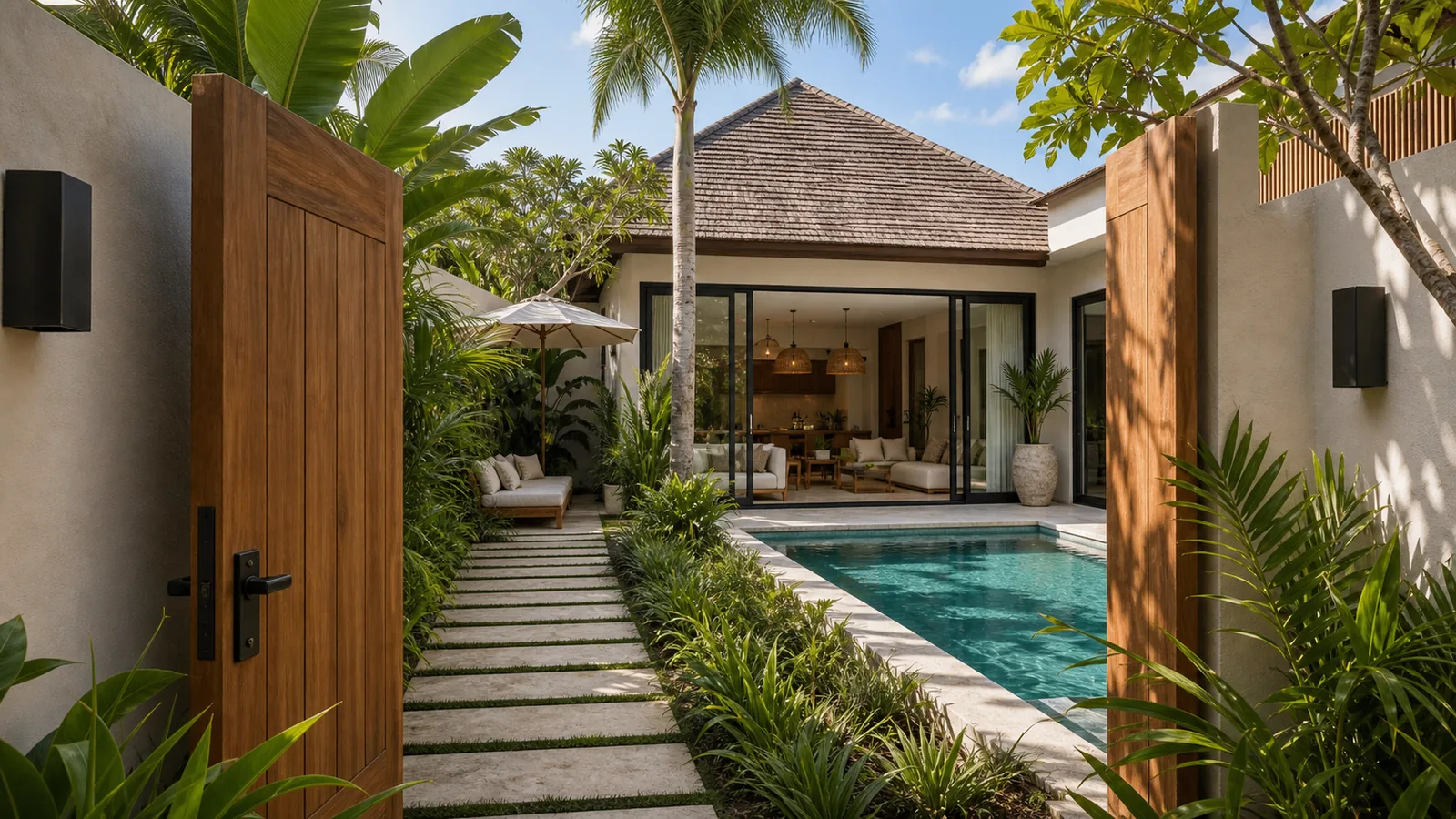
Six agencies. Three prices. One villa. That is Bali’s property market in a sentence.
If you want to buy villa in Bali, you are not short of listings. You are short of verified ones. The same property appears across multiple portals simultaneously — different prices, different availability statuses, sometimes different lease terms — and many of those entries are weeks or months stale.
This guide is not a listing portal. It is a buyer-side filter: what to check, what to ask, and what to ignore before you request a shortlist or walk into a site visit.
What this article covers: legal ownership routes for foreign buyers · real acquisition costs · five pre-viewing checks · how verified listings differ from aggregated feeds · answers to the questions agents often skip
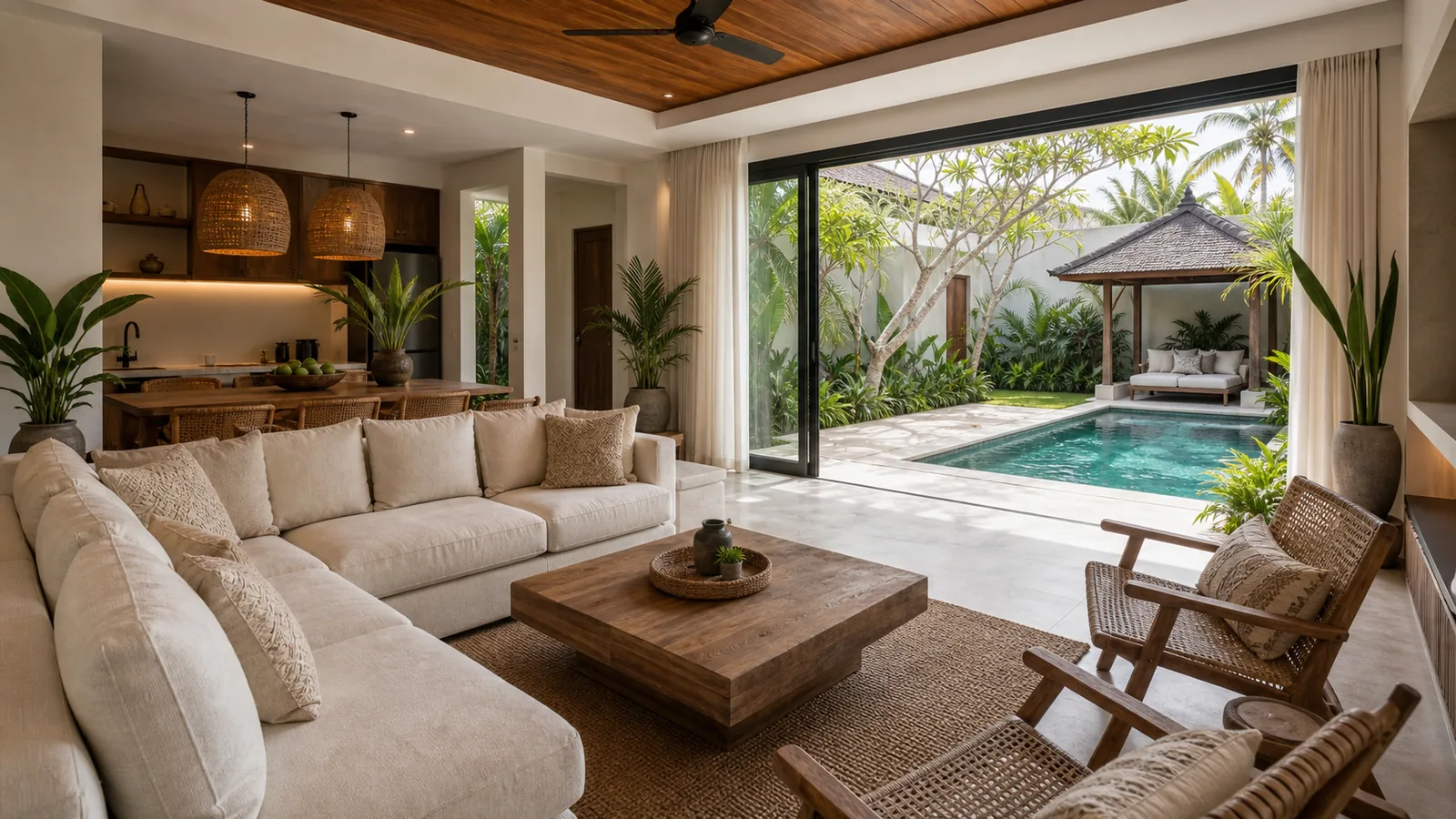
What Most Guides Miss
Most content written for people searching to buy a villa in Bali falls into two camps: optimistic investment pieces with headline rental yields, or legal explainers that stop at “foreigners can’t own freehold land” without explaining the three routes that actually work.
What they consistently skip:
Duplicate listings. A villa in Seminyak or Canggu may be listed by six or more agencies at once. Without a centralised MLS, there is no way to know which agent has a current relationship with the owner, which price is live, or whether the property is already under a Letter of Intent. Discovery portals like Bali Home Immo and Bali Realty improve reach but do not solve verification.
Ownership term ambiguity. “Leasehold, 25 years remaining” is not a complete description. What matters: whether an extension clause exists, whether the land title is clean at BPN, and whether the building permit (IMB/PBG) covers the intended use. The years are the least important part of that sentence.
Verification lag. Many listing feeds are weeks or months behind. A villa that appears available may have been placed under a Letter of Intent, converted to a long-term rental, or had its price revised without the portal reflecting it.
Buyer qualification gaps. Foreign buyers often arrive without clarity on which ownership structure suits their situation — leasehold direct, leasehold via PT PMA, or Hak Pakai. The route affects your timeline, exit options, and legal exposure. Choosing wrong early is expensive to unwind.
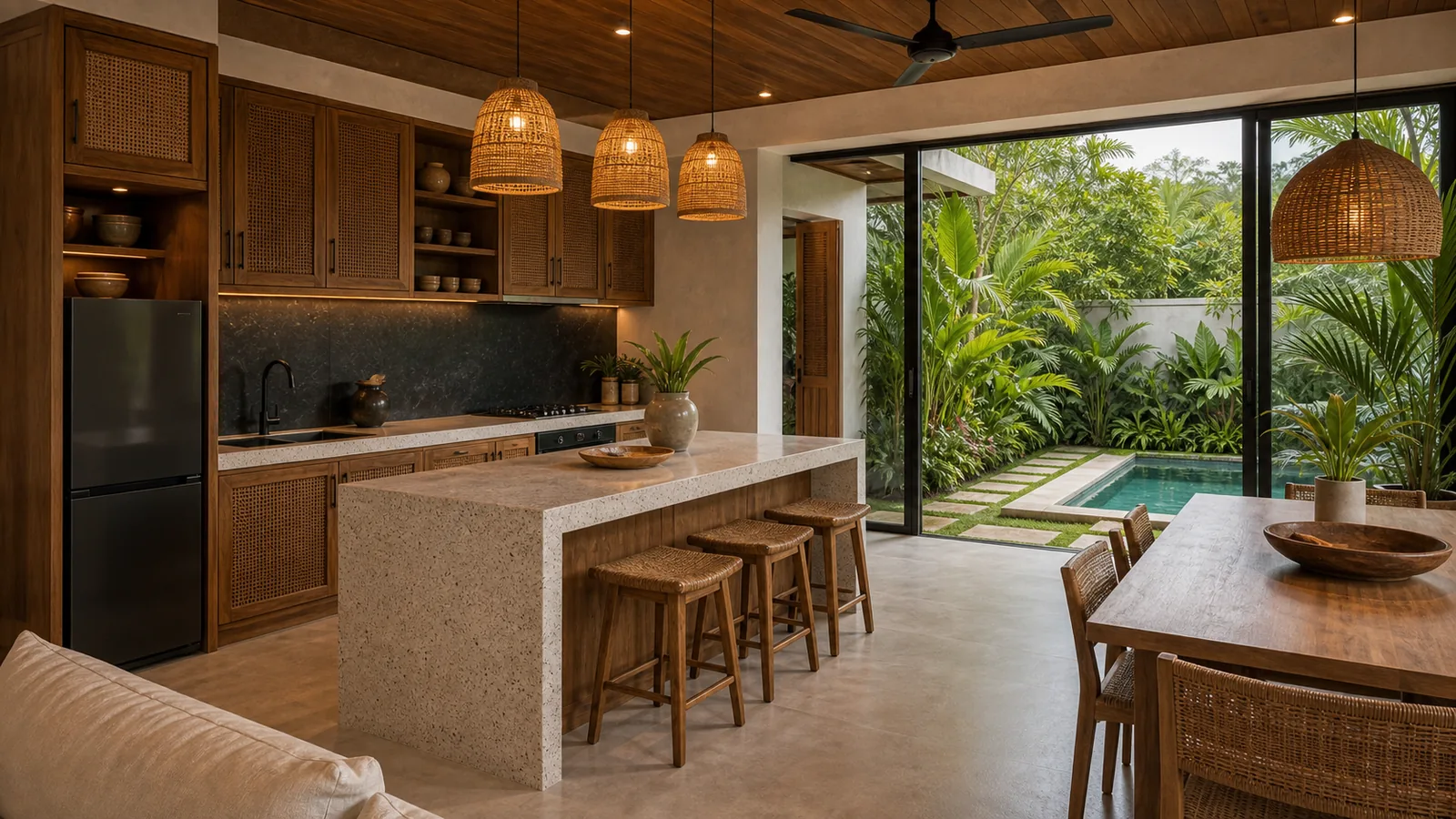
How to Buy Villa in Bali as a Foreign Buyer
Indonesia does not permit foreign nationals to hold Hak Milik (freehold) title directly. That does not close the market — it means structure matters.
| Ownership Route | Title Holder | Typical Term | Key Consideration |
|---|---|---|---|
| Leasehold (Hak Sewa) | Indonesian landowner | 25–30 years + extension | Extension clause terms vary widely; confirm in the notarial deed |
| PT PMA (Hak Guna Bangunan) | Foreign-owned company | Renewable | Ongoing compliance costs; strongest route for rental income |
| Hak Pakai | Individual foreigner | Renewable | Requires valid KITAS/KITAP; restricted to residential use |
| Nominee (informal) | Indonesian nominee | N/A | Not legally recognised; courts have declined to enforce these arrangements |
Leasehold (Hak Sewa) is the most common entry point. You acquire the right to use a property for a fixed term, with the land remaining with the Indonesian titleholder. Extension terms vary significantly and must be confirmed in the notarial deed — not the listing description.
PT PMA is a foreign-owned limited liability company that can hold Hak Guna Bangunan title. For buyers planning rental income, this is typically the most defensible long-term structure. It involves ongoing compliance costs and a minimum capital investment that should be factored into total acquisition cost.
Nominee arrangements fall outside a verified shortlist. Indonesian law does not recognise nominee land ownership, and courts have declined to enforce such arrangements in documented cases.
For a full breakdown of each route, see Can Foreigners Buy Property in Bali?
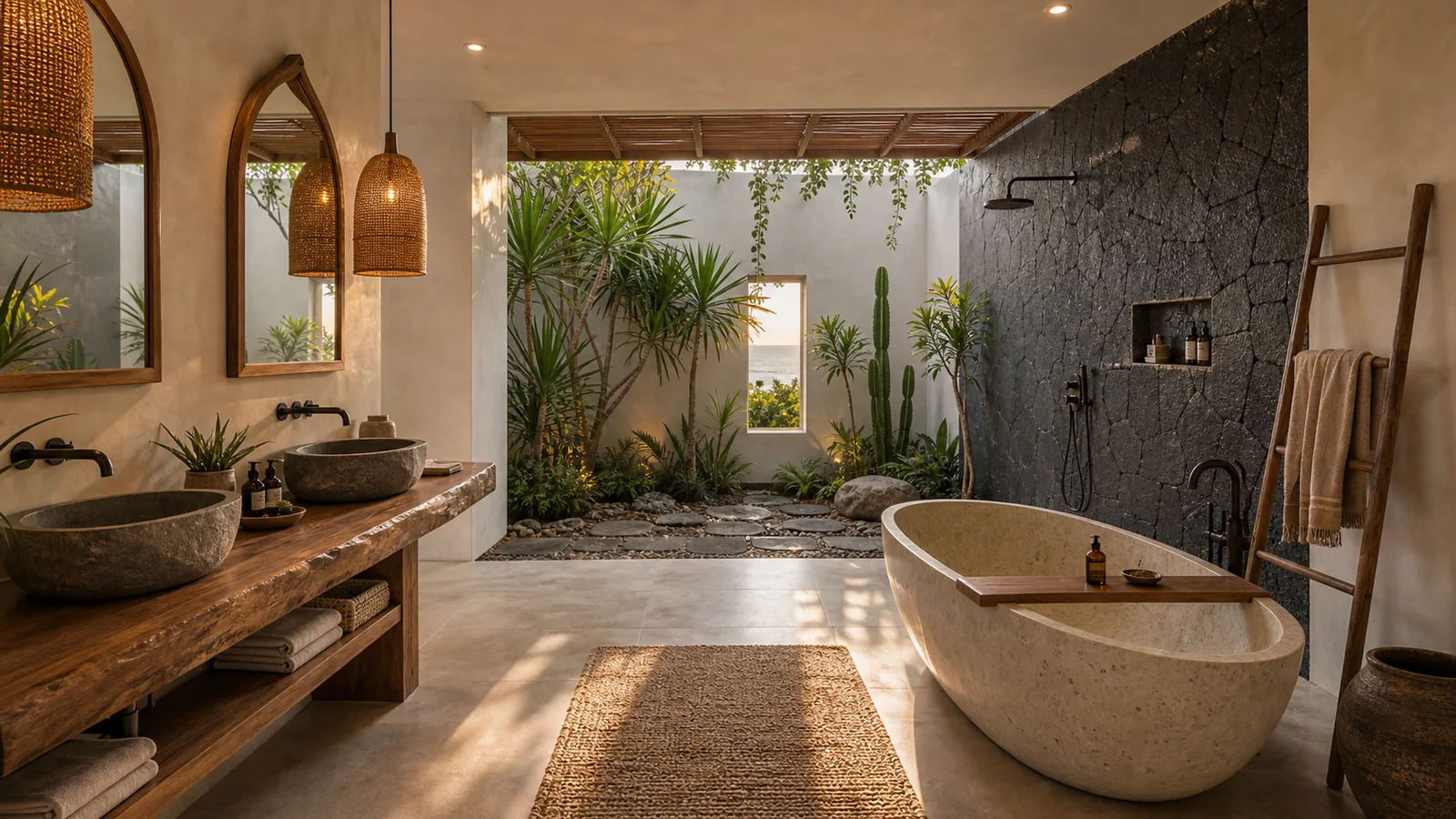
Acquisition Costs: What the Listing Price Does Not Include
Budget for these before committing to any shortlist:
| Cost Item | Approximate Range | Notes |
|---|---|---|
| BPHTB (buyer’s land/building duty) | 5% of transaction value | Payable to regional government |
| Notary / PPAT fee | 0.5–1% | Independent notary recommended |
| Legal review | Variable | Critical for PT PMA structures |
| PT PMA setup (if applicable) | USD 1,500–3,500+ | Plus ongoing annual compliance |
| Agent commission | Typically 5% | Confirm in writing who pays |
These figures are illustrative. Costs vary by regency, structure, and negotiated terms. Confirm with a licensed Indonesian notary (PPAT) before signing any document.
Five Checks Before You Request a Shortlist
The information gap in Bali’s property market is a buyer-side problem. Agents serve sellers. Apply these filters before any shortlist is worth requesting.
1. Certificate Type and Title Chain
Ask for the specific certificate type: Hak Milik, Hak Guna Bangunan, or Hak Pakai. If leasehold, request the underlying certificate and notarial deed. A clean title chain means no outstanding mortgages, no disputes registered at BPN, and no pending inheritance claims.
2. IMB / PBG Permit Validity
The building permit confirms the villa was constructed with approval and that the approved function matches the intended use. A villa permitted as a private residence but operating commercially is technically in violation — this affects legal exposure, operational licensing, and any future sale.
3. Lease Term and Extension Clause
For leasehold properties, the extension clause matters more than the headline years remaining. Who has the right to invoke it, at what future cost, and under what conditions? A 15-year lease with a written right of first refusal at a pre-agreed formula is materially different from a 30-year lease with no extension provision.
4. Price Freshness and Agency Mandate
Ask when the asking price was last confirmed directly with the owner. Ask whether the agency holds a signed mandate or is working from a shared listing sheet. The answer determines whether the transaction can realistically close through that agent and how much negotiation room exists.
5. Operating Assumptions, Not Yield Headlines
Rental yields in listings often omit occupancy assumptions, management fees (typically 20–30% of gross), platform commissions, maintenance reserves, and seasonal variance. Before viewing any investment-framed villa, request a full annual operating model. The Bali property due diligence checklist provides a structured version of this process.
Pre-Viewing Checklist
Before requesting a site visit, have answers to the following:
- Ownership structure confirmed: leasehold, PT PMA, or Hak Pakai
- Certificate type and BPN status requested from seller or agent
- IMB/PBG permit on file; approved function matches intended use
- Lease term and extension clause reviewed (leasehold properties)
- Asking price confirmed as current (within 60 days)
- Agent mandate status: signed or shared listing
- Total acquisition budget set, inclusive of taxes, notary, and legal fees
- Operating model requested if investment-framed (not just headline yield)
A shortlist built on answered questions costs less time than one built on attractive photos.
Verified Listings vs. Aggregated Feeds
The villas for sale in Bali page on this site applies a baseline set of verification criteria before a property enters the shortlist: asking price confirmed within 60 days, ownership term documented, building permit on file, and no active dispute flagged in a preliminary check.
That is not a substitute for full legal due diligence — which should always involve an independent Indonesian PPAT notary and, for PT PMA structures, a licensed legal advisor. It is a filter that removes the most obviously unqualified options before you spend time or money on a site visit.
Sources used in this market include direct seller mandates, on-the-ground relationships with agents across Seminyak, Canggu, Ubud, and the Bukit, and listing verification through portals such as The Bali Homes and Prestige Property Bali. None of these sources remove the need for buyer-side legal review.
Frequently Asked Questions
Can foreigners legally buy a villa in Bali? Yes, through specific structures. Foreign nationals cannot hold freehold title directly, but can acquire property via leasehold, through a PT PMA company, or — for those with a valid KITAS or KITAP — via Hak Pakai. Each route has different costs, terms, and restrictions.
What is a typical leasehold term? Most leasehold agreements run 25–30 years, sometimes structured as a shorter initial term with an extension option. The extension clause is as important as the headline term — confirm it is written into the notarial deed, not just the listing description.
How do I know if a villa’s asking price is current? Ask when the price was last confirmed with the owner and whether the agent holds a signed mandate. If the answer is vague, treat the price as unverified.
What does PT PMA setup involve? A foreign-owned limited liability company registered in Indonesia. Setup involves a minimum capital requirement, a registered business address, and ongoing annual compliance. Costs typically run USD 1,500–3,500 or more before ongoing compliance. Consult a licensed Indonesian legal advisor for current requirements.
Do I need a lawyer as well as a notary? Yes. The notary (PPAT) drafts and registers the deed — they do not represent buyer interests. An independent legal advisor reviews the transaction from your perspective: title chain, contract terms, PT PMA compliance, and risk flags. For foreign buyers using a PT PMA structure, independent legal review is not optional.
What is a “nominee” arrangement, and is it safe? A nominee arrangement puts legal title in an Indonesian citizen’s name on behalf of a foreign buyer. Indonesian courts have declined to enforce these arrangements, and they are not recognised under Indonesian property law. The structures above — leasehold, PT PMA, Hak Pakai — are the routes that carry legal standing.

Climate Exposure: A Physical-Asset Filter
We compared 2015–2025 hourly reanalysis at the representative Bali reference points below. The figures help screen maintenance exposure; they do not rank individual villas or replace drainage, material and building-condition checks.
| Reference point | Rainfall mm/year | Rainy days/year | Avg RH | ≥85% RH hours/year | Avg wind km/h | Strong-wind days/year† | Solar kWh/m²/day | Outdoor pressure* |
|---|---|---|---|---|---|---|---|---|
| Canggu coastal corridor | 1,662 | 245.7 | 85.5% | 4,968 | 12.2 | 6.4 | 5.71 | 49 |
| Ubud inland reference | 2,640 | 268.5 | 87.3% | 5,948 | 6.9 | 0.0 | 5.68 | 70 |
| Uluwatu and Pecatu reference | 1,630 | 261.6 | 80.2% | 1,944 | 14.4 | 31.5 | 5.69 | 29 |
| Sanur east-coast reference | 1,754 | 264.0 | 83.7% | 3,901 | 12.1 | 4.9 | 5.68 | 35 |
| Seminyak southwest-coast reference | 1,754 | 264.0 | 83.7% | 3,901 | 12.1 | 4.9 | 5.68 | 35 |
*Outdoor Maintenance Pressure is a relative index across five configured location requests, which resolve to four distinct populated grid cells. The raw weather metrics beside it remain the evidence. †A strong-wind day contains at least one hourly 10 m wind-speed value of 30 km/h or more; this is a comparison threshold, not a damage threshold.
Grid-resolution disclosures
- Uluwatu and Pecatu reference uses the nearest populated ERA5-Land cell at -8.8, 115.2 (13 km from the requested coordinate), so it is a broad-area proxy.
- Sanur east-coast reference and Seminyak southwest-coast reference resolve to the same populated land cell at -8.7, 115.2; identical values mean the grid cannot distinguish those requests, not that their parcel-level conditions are identical.
How to use this in due diligence
- Use the table as a physical-asset filter alongside title, zoning, access, build quality and demand—not as a neighbourhood ranking on its own.
- Ask for roof, drainage, AC, timber, pool, garden and exterior-finish records before treating a listing price as comparable across areas.
- Translate observed condition into an inspection plan and maintenance reserve; the climate indices do not predict a repair bill or investment return.
Source: Copernicus Climate Change Service (C3S) ERA5-Land, hourly reanalysis, 2015–2025, analysed in Asia/Makassar local time. Relative humidity, wet-bulb temperature and reference evapotranspiration are derived from the source variables using the documented methodology. Data: CC BY 4.0. See the climate data methodology for formulas, thresholds and limitations. Values are area-level model estimates, not measurements at a villa; relative indices compare five configured Bali location requests (four distinct populated grid cells), not engineering, insurance, cost or yield ratings.
Ready to Filter Your Shortlist?
Knowing what to ask is the starting point. The next step is a structured conversation about your budget, preferred area, ownership route, and timeline — so the options you see have already been filtered against the checks above.
Written by the Bali Verified Buyer Desk and reviewed for legal accuracy by a licensed Indonesian PPAT notary. Provided for educational purposes only; this article does not constitute legal or financial advice. Property laws, permit requirements, and market conditions change. Verify current requirements with a qualified Indonesian legal advisor before making any purchase decision.